
Marine Component Cleaning

Aqueous Cleaning For Corrosion-Prone Marine Environments
Marine Cleaning Challenges
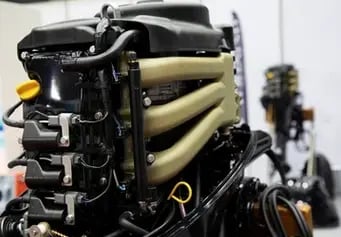
Marine engineering environments present a demanding combination of heavy contamination, mixed materials and corrosive operating conditions. Components are routinely exposed to oils, fuels, saltwater, heat and mechanical wear, all of which contribute to the build-up of carbon deposits, corrosion products and degraded lubricants. Cleaning processes must remove these contaminants effectively while maintaining material integrity and supporting reliable rebuild and inspection activities.
In both workshop and production settings, consistent cleaning helps reduce manual effort, improve turnaround times and support predictable component performance. Bio-Clean supplies aqueous detergents used where stable, controlled cleaning is required across a wide range of marine components.
Managing Heavy Soils And Mixed-Metals
Marine components often incorporate aluminium, stainless steel, cast iron and other alloys within the same assembly. Cleaning chemistry must therefore be effective against heavy soils while remaining compatible with mixed-metal systems.
Bio-Clean supports cleaning processes designed to address:
- Heavy oils and greases
- Carbon deposits from combustion and exhaust systems
- Corrosion products and surface contamination
- Mixed-metal housings and assemblies
- Components with internal channels and complex geometries
AquaVantage® HTD, 1990GD and 815GD-NF support more delicate assemblies and precision components. Selecting chemistry based on contamination type and material sensitivity helps maintain effective cleaning without unnecessary surface attack.
Supporting Marine Rebuild And Maintenance Operations
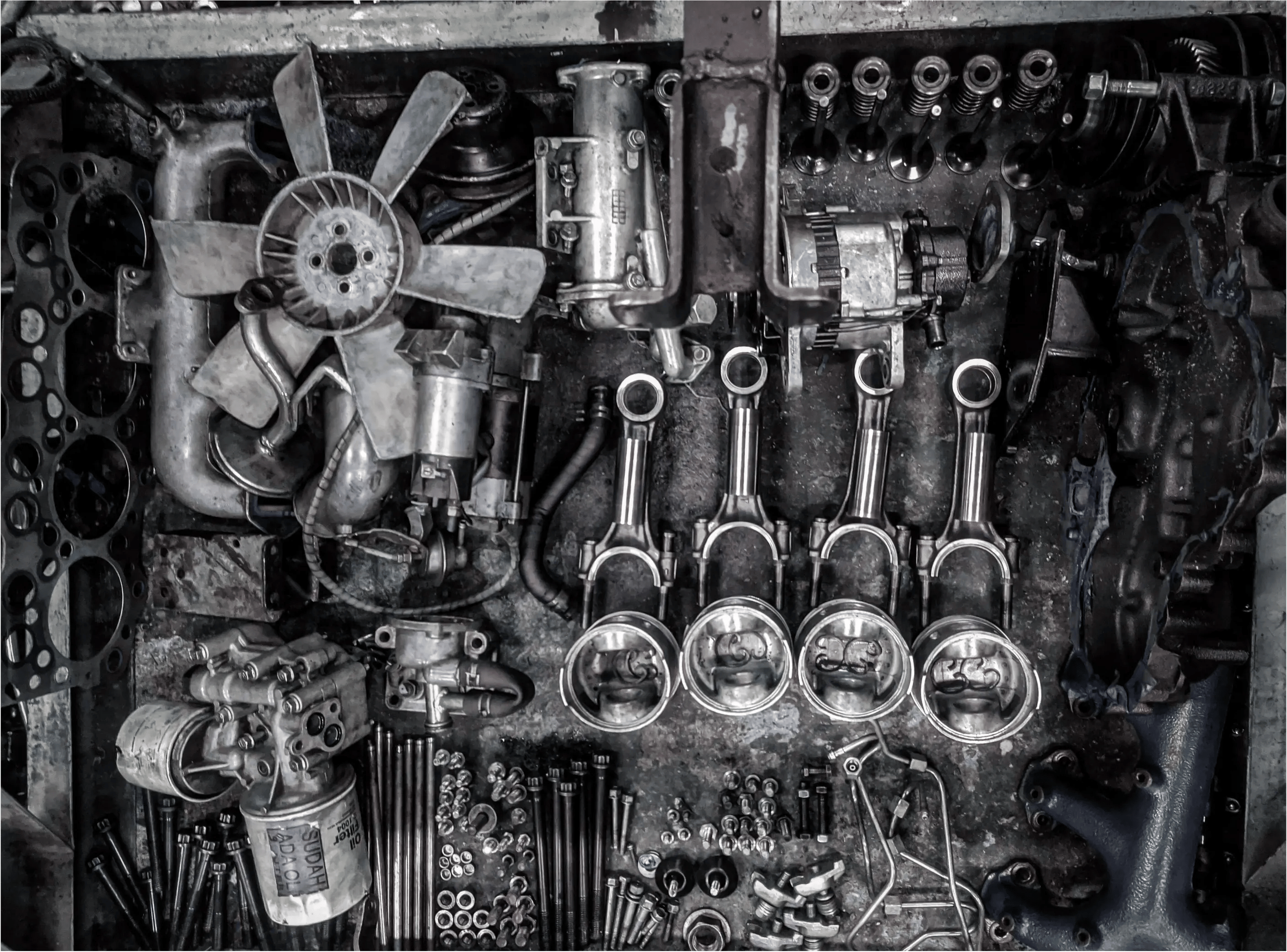
Marine engineering cleaning requirements are often driven by rebuild, repair and maintenance activities rather than high-volume production. Components may arrive with variable contamination histories, requiring cleaning processes that are robust but controllable.
Bio-Clean supports cleaning across typical marine engineering applications, including:
- Engine rebuilds
- Transmission and gearbox components
- Valve bodies and control housings
- Aluminium and stainless steel assemblies
- Pre-coating and inspection preparation
In these environments, aqueous cleaning helps reduce reliance on manual scraping or solvent wiping, improving consistency and reducing operator variability.
Process Control In Workshop Cleaning Systems
Effective marine cleaning depends on controlling key process parameters rather than relying solely on chemistry strength. Temperature, dilution, agitation and dwell time all influence soil removal, particularly when dealing with carbonised deposits or corrosion products.
Bio-Clean works with marine engineering teams to assess existing cleaning systems and support stable operation over time. Attention is given to bath condition, oil separation behaviour and rinse quality, helping maintain predictable results even in demanding workshop environments.
Why Bio-Clean
Specialist-Led Cleaning Solutions
We don't just sell products, we solve your contamination challenges with precision-engineered chemistry and expert support.
Corrosion-Free Cleaning
Performance For Longer
Titration Testing Kits
Process Cost Justification
Consultative Approach
Industry Compliance
Meet aerospace, nuclear, medical, and defence cleanliness standards with confidence
Need Help With A Marine Cleaning Process?
If you are working with marine components exposed to heavy oils, carbon deposits or corrosion-prone environments, our technical team can help assess your cleaning process and support both heavy-duty cleaning and more delicate marine assemblies where control and consistency are essential.